
The context
Why Caribbean reefs need monitoring
Coral reefs shelter marine life and help protect shorelines. Warmer seas can bleach corals, while local pressures add stress. Repeated surveys help us see how individual reefs change over time.
84%
Of the world’s reef area exposed to heat stress severe enough to cause bleaching, Jan 2023–Sep 2025.
Small changes can protect a reef. In a St Lucia study, underwater reminders from dive leaders reduced reef contact from 0.3 to 0.1 contacts per minute.
From the reef to the data
Our impact, measured
What does a reef survey tell us? Returning to the same sites gives us a record of what lives there, how the corals are doing and how conditions differ from one reef to the next.


Five reefs, 175 survey days
From July 2023 to September 2025, trained participants surveyed Buoy Line, Casablanca, Grandma’s Garden, Manuel’s Wall and Pandora. They used 30-metre survey lines to record what covered the seafloor, look for signs of coral stress and count fish. Staff reviewed the field records after dives.
The open dataset gives researchers a baseline for these five reefs. Visibility and differences between observers affect what can be recorded, and findings apply to the monitored sites around Isla Solarte.
Ankay’s 2024 field results
4,350 m
Of coral reef surveyed
8,428
Fish surveyed
100+
Participants trained
The experience
Two ways to visit Bocas del Toro
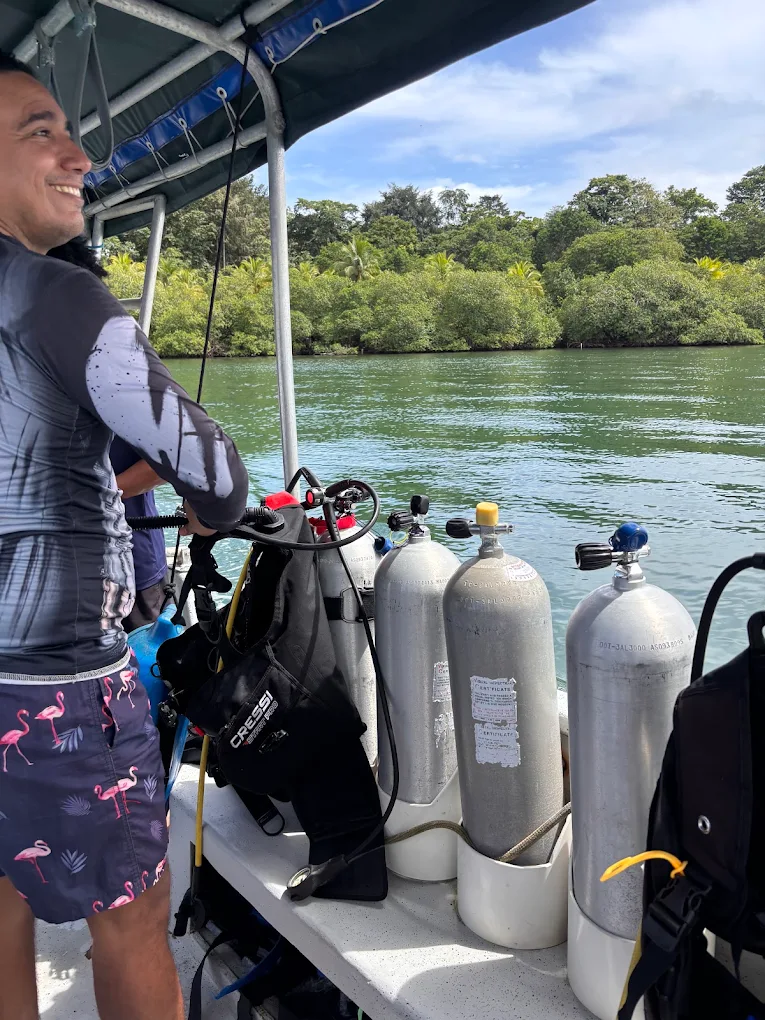
An Ankay stay combines marine conservation in Bocas del Toro with time to explore. On dive days, we’re in the water from 9 a.m. to noon. Afternoons are yours to spend at the beach, visit local attractions or slow down on the island.
What to expect
A sightseeing trip
An Ankay stay
Where you stay
A sightseeing trip
A hotel or guesthouse as your base.
An Ankay stay
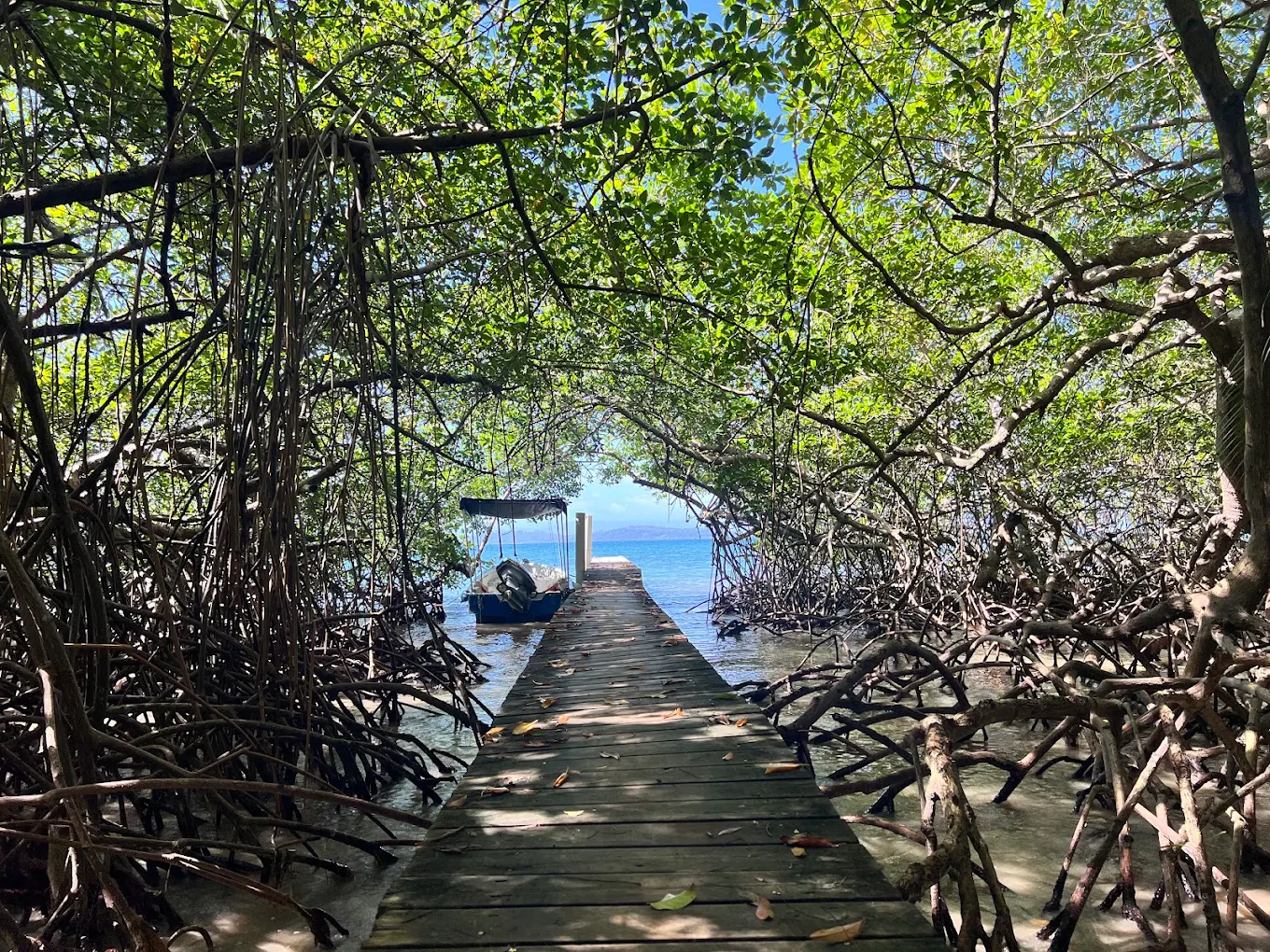
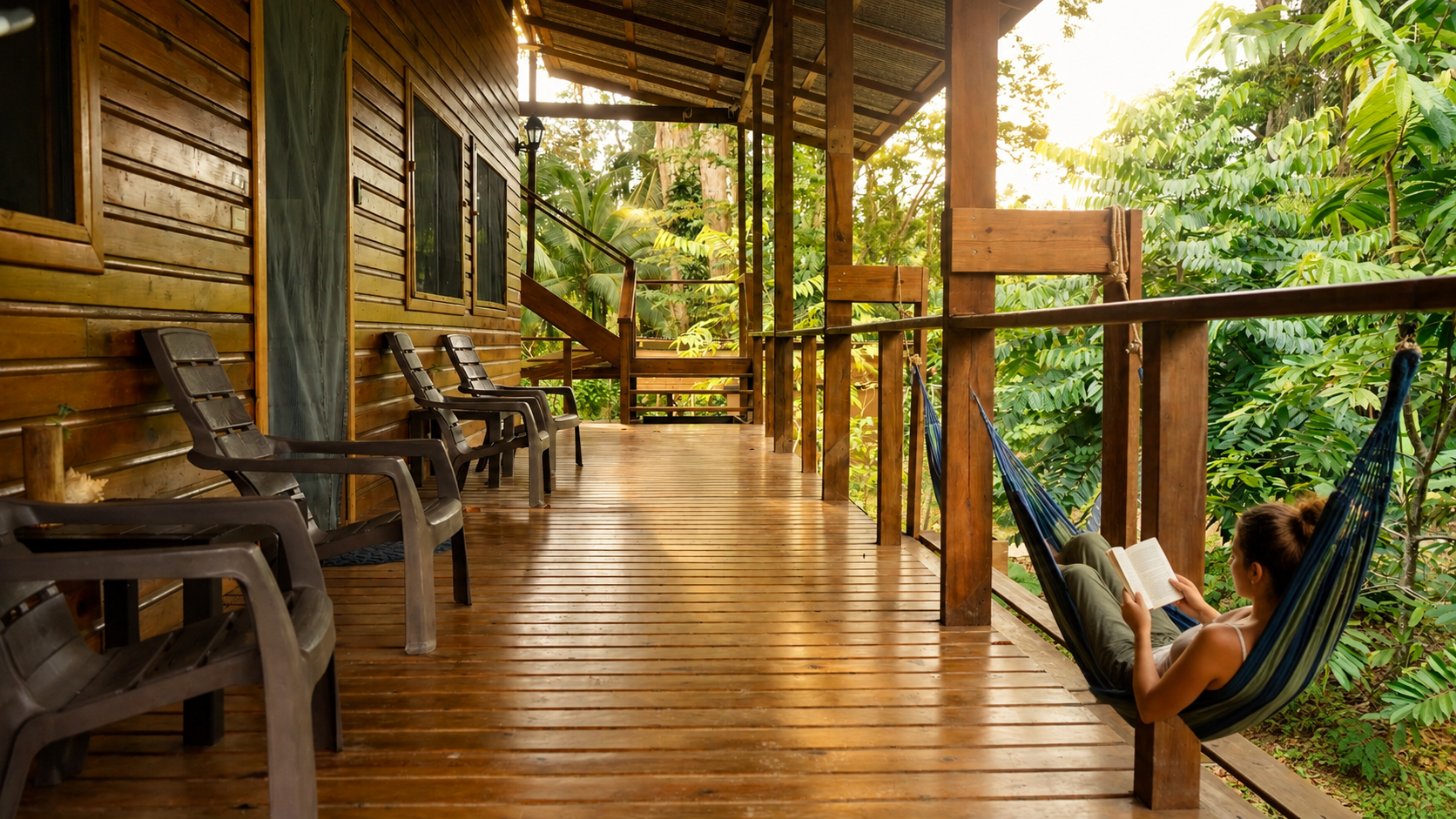
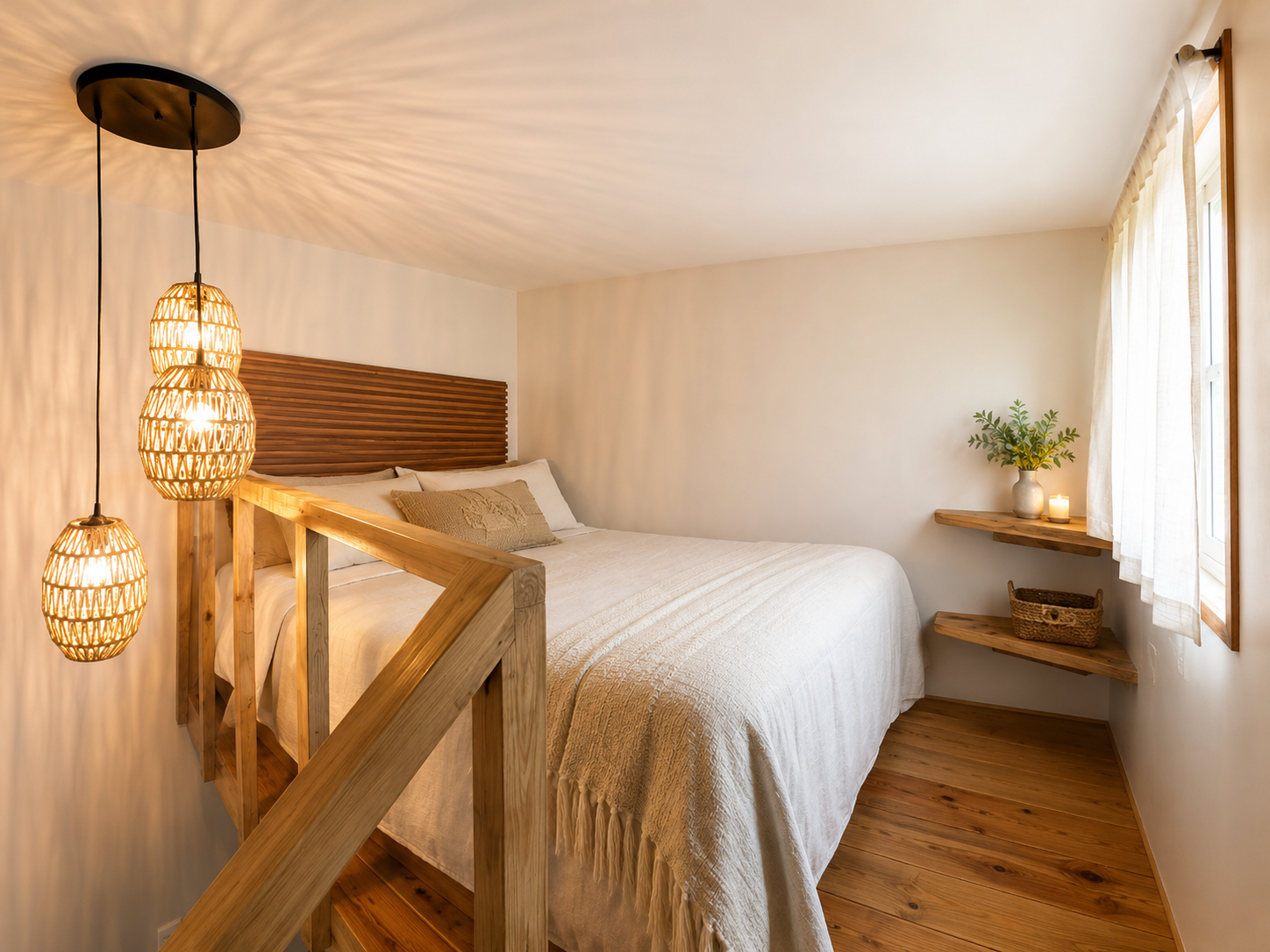
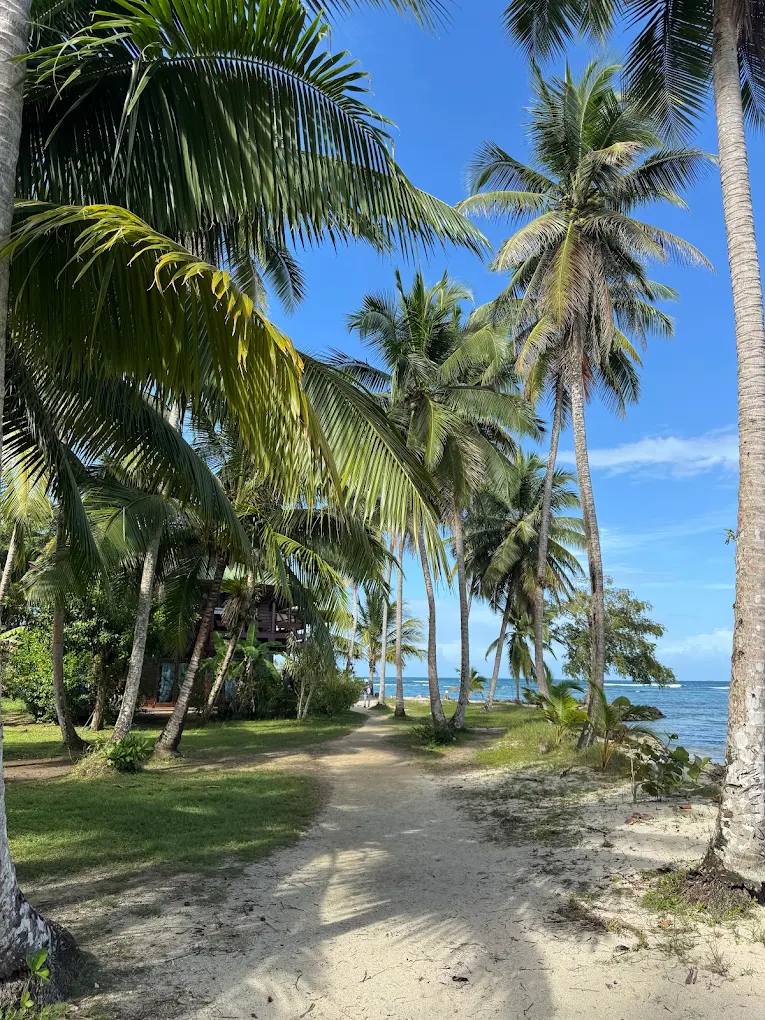
Stay off grid on Isla Solarte, a quieter island in the Bocas del Toro archipelago.
What you do
A sightseeing trip
Visit beaches, dive sites and local attractions.
An Ankay stay
Depending on your program, survey reefs, work with corals or record bird sightings. Explore Bocas del Toro in the afternoon.
What you learn
A sightseeing trip
Get to know the islands and their wildlife.
An Ankay stay
Get to know local life on Isla Solarte and learn citizen science skills such as reef monitoring or bird identification.
What you leave behind
A sightseeing trip
Support local businesses through your visit.
An Ankay stay
Contribute observations to a monitoring project.
What you take home
A sightseeing trip
Memories and photos from the islands.
An Ankay stay
Memories, photos and conservation skills you can use again.
Take part
Our conservation work in Bocas del Toro
Interested in marine conservation volunteering in Panama? Choose what you want to learn in the field, then find a program that fits your dive certification and the time you have. You can also take part on land through bird monitoring.
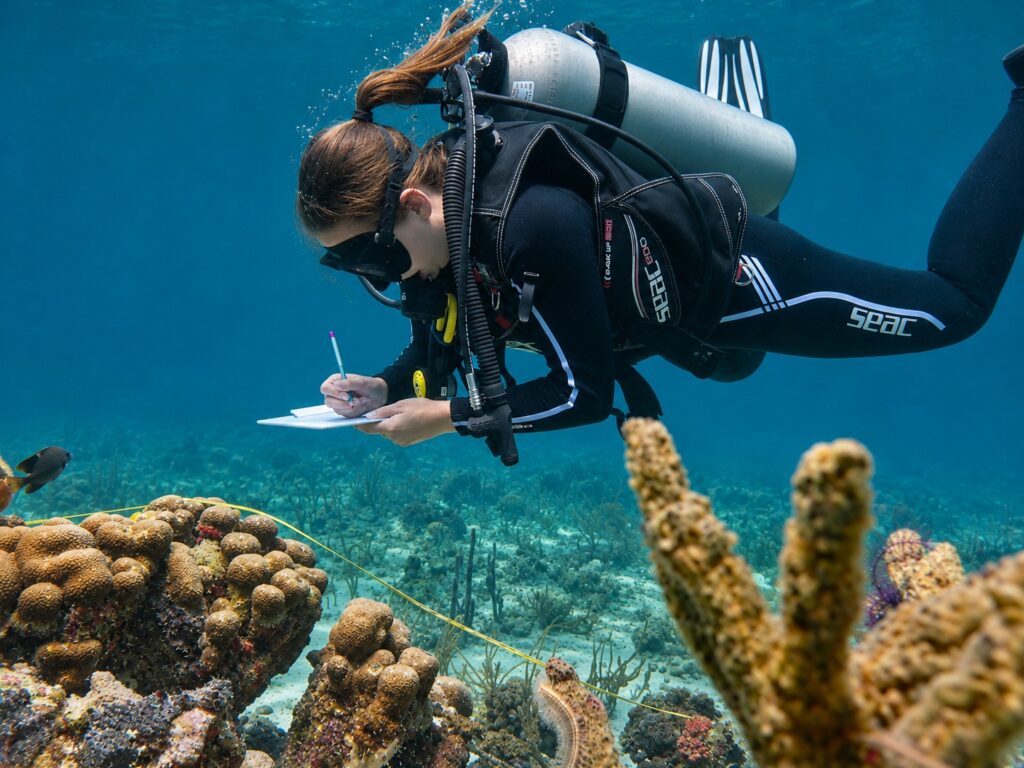


In the water
Coral reef monitoring and restoration
Learn to identify corals, fish and invertebrates and record what you see using a survey protocol. For coral restoration in Bocas del Toro, explore how teams care for nursery-grown corals before returning them to the reef.
Applied Conservation Programs
Hands-on reef surveys · Level and duration vary
Coral Restoration Essentials
Nurseries and restoration methods · Open Water · 1 day
Reef Check Certification
Reef Check EcoDiver · Open Water · 1 week
Eco Divemaster
Professional dive training · Rescue Diver · 4+ weeks
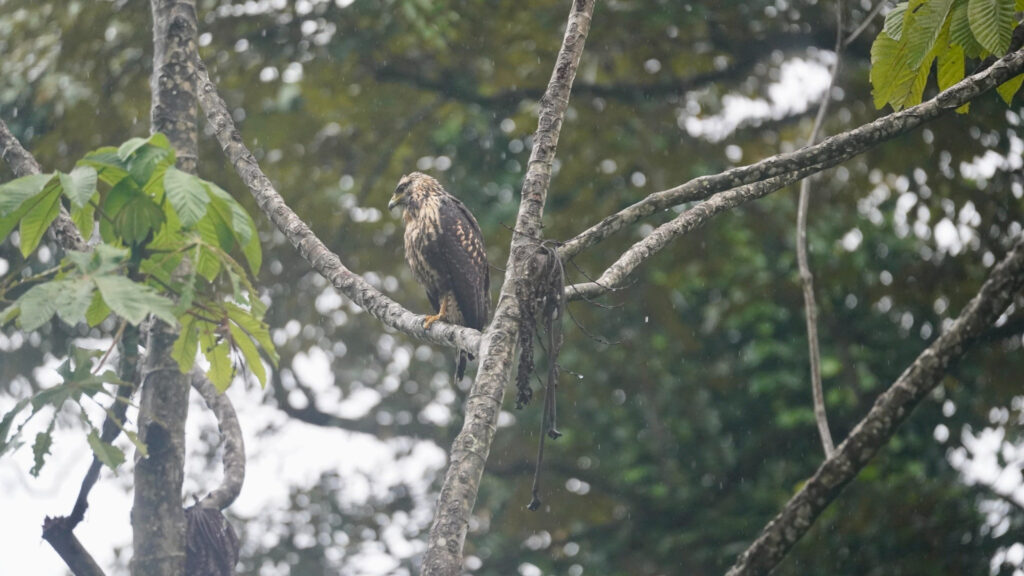
On land
Tropical bird monitoring
Observe tropical birds at monitoring stations on Isla Solarte and record sightings with tools such as eBird.
2 weeks · No birdwatching or diving experience needed
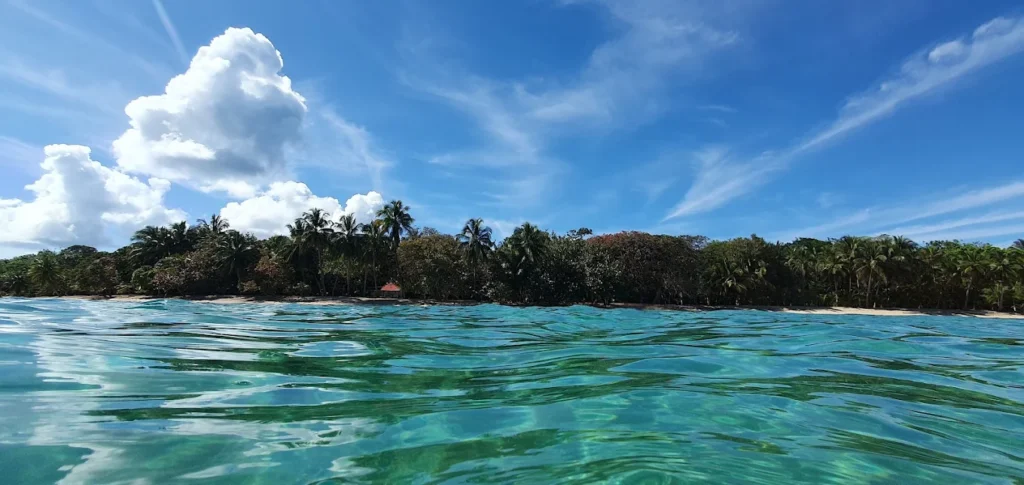
Where you stay
Off-grid life at the center
Our Isla Solarte base runs entirely on solar power and collected rainwater. See what happens to food scraps, cans and the waste we take off the island.
Unsure where to start?
Life on Isla Solarte
Your footprint here
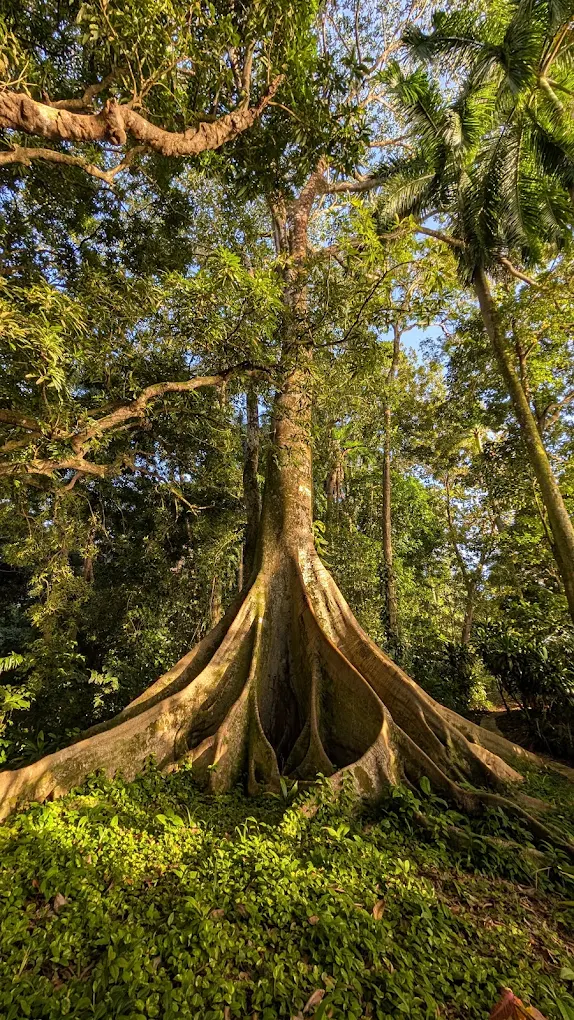
Our marine conservation center and accommodation on Isla Solarte run entirely on solar power and collected rainwater. Being off grid also means planning what happens to everything we bring onto the island.
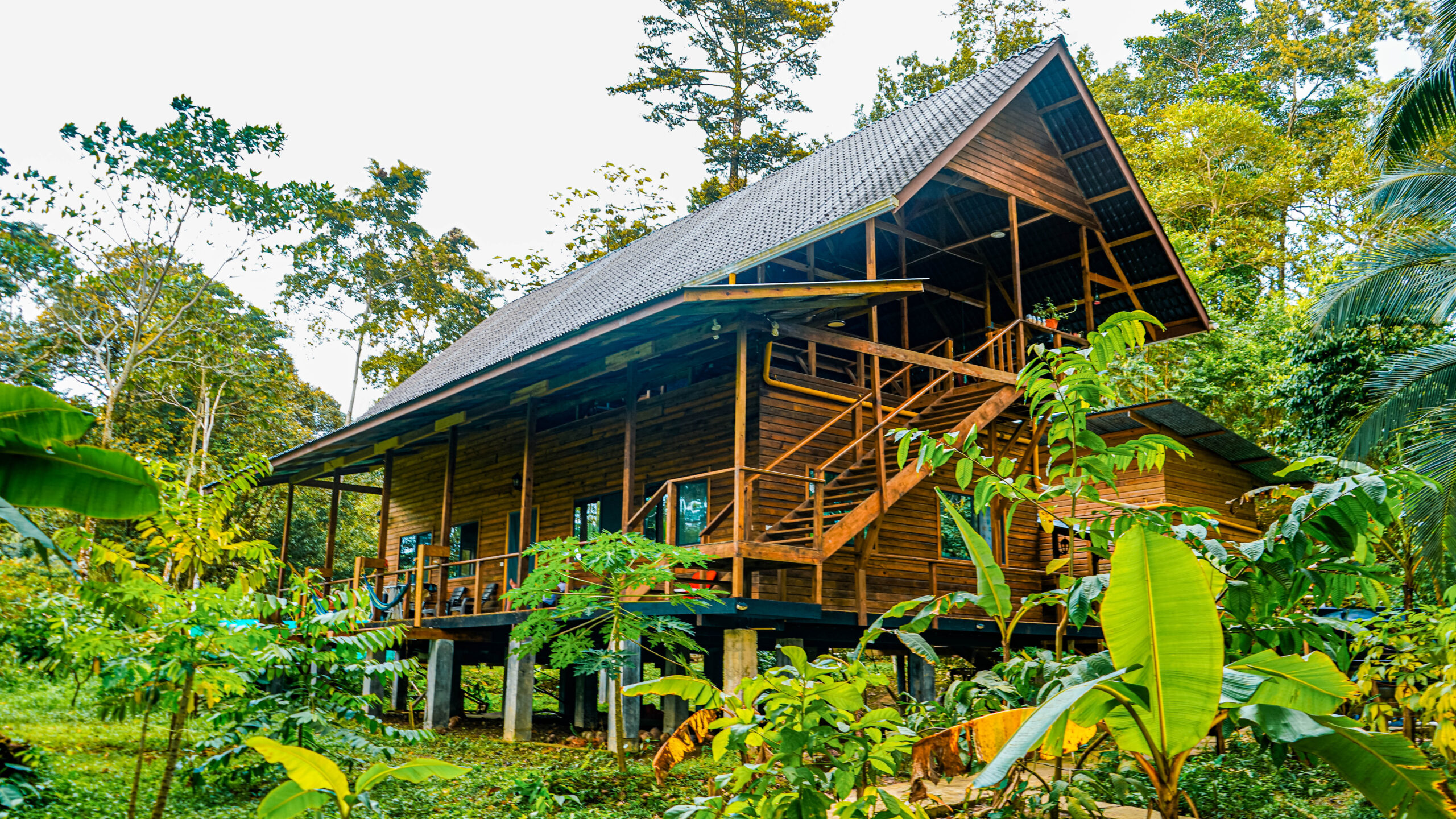
What happens to our waste?
We compost raw food scraps and feed suitable cooked leftovers to our chickens. We recycle aluminum cans and take the remaining waste to the main island for proper disposal.
Plan your stay
Find your conservation journey
Tell us your interests, dive level and travel dates. We’ll suggest a stay that fits.