Ankay Reef Restoration in Panama

How it Works

Help restore coral reefs in Panama through hands-on conservation, field science, and long-term impact tracking.

Join a flexible coral restoration program in Panama, designed around your time, interests, and experience level.

Instead of following one fixed itinerary, participants begin with core coral restoration training and then choose a pathway: coral propagation, artificial reef building, or monitoring and 3D mapping. Longer stays can combine pathways and follow the full restoration cycle from coral fragment to monitored reef habitat.

1. Start with the Core

Learn coral reef ecology, restoration principles, safety protocols, and how Ankay tracks conservation impact.

2. Choose your Pathway

Focus on coral propagation, artificial reef building, or monitoring and 3D mapping.

3. Stay Longer, Go Deeper

Combine pathways to experience more of the restoration cycle, from fragment collection to outplanting and long-term monitoring.

Essentials & Pathways

Essentials

Every participant begins with:

Coral Restoration Foundations

Learn reef ecology, threats to coral reefs, restoration methods, coral nurseries, outplanting concepts, and the role of monitoring.

Restoration Diver Skills

Develop buoyancy, positioning, underwater task control, and reef-safe movement needed for restoration work.

Impact Tracking with BeBlue

See how field actions become long-term conservation data through Ankay’s monitoring and reporting system.
 

Pathway 1: Coral Propagation & Nursery

Explore Coral Propagation

Best for: participants who want to work directly with coral fragments.

You may learn:

  • Responsible coral fragment collection
  • Coral fragmentation techniques
  • Nursery introduction
  • Nursery maintenance
  • Fragment growth tracking
  • Coral health identification
  • BeBlue fragment tracking

Ideal length: 3–5+ days

Pathway 2: Artificial Reef Builder

Explore Reef Building

Best for: hands-on participants, builders, design-minded travelers, engineering or architecture students.

You may learn:

  • Artificial reef structure design
  • Materials and construction
  • Advanced artificial reef concepts
  • Deployment preparation
  • Underwater deployment
  • Coral transplanting onto structures
  • Structure monitoring

Ideal length: 3–5+ days

Pathway 3: Monitoring & 3D Mapping

Explore Monitoring & 3D Mapping

Best for: science-focused participants, university students, returning participants, divers interested in data and technology.

You may learn:

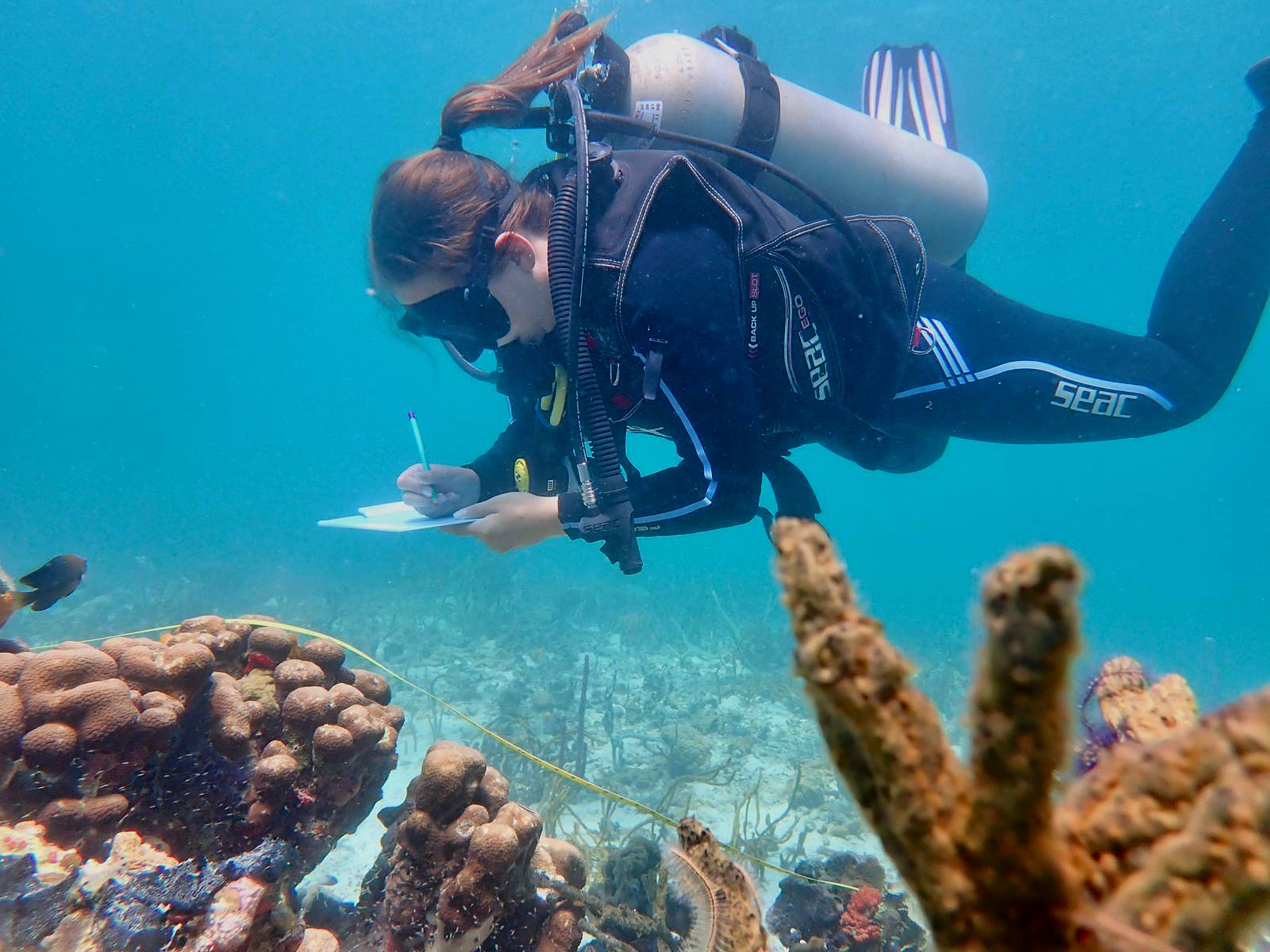
  • Restoration monitoring methods
  • Coral health checks
  • Field photo documentation
  • 3D reef mapping / photogrammetry
  • BeBlue data entry
  • Impact reporting
  • Before/after comparison

Ideal length: 3–7+ days

Pathway 4: Advanced Coral Restoration

Advanced Restoration

Best for: longer stays, returning participants, experienced divers, university groups, or people considering conservation careers.

You may combine:

  • Fragment collection
  • Nursery tracking
  • Artificial reef design
  • Structure deployment
  • Coral transplanting
  • Coral health monitoring
  • 3D mapping
  • BeBlue impact reporting

Ideal length: 7 days to 2+ weeks

Typical Day

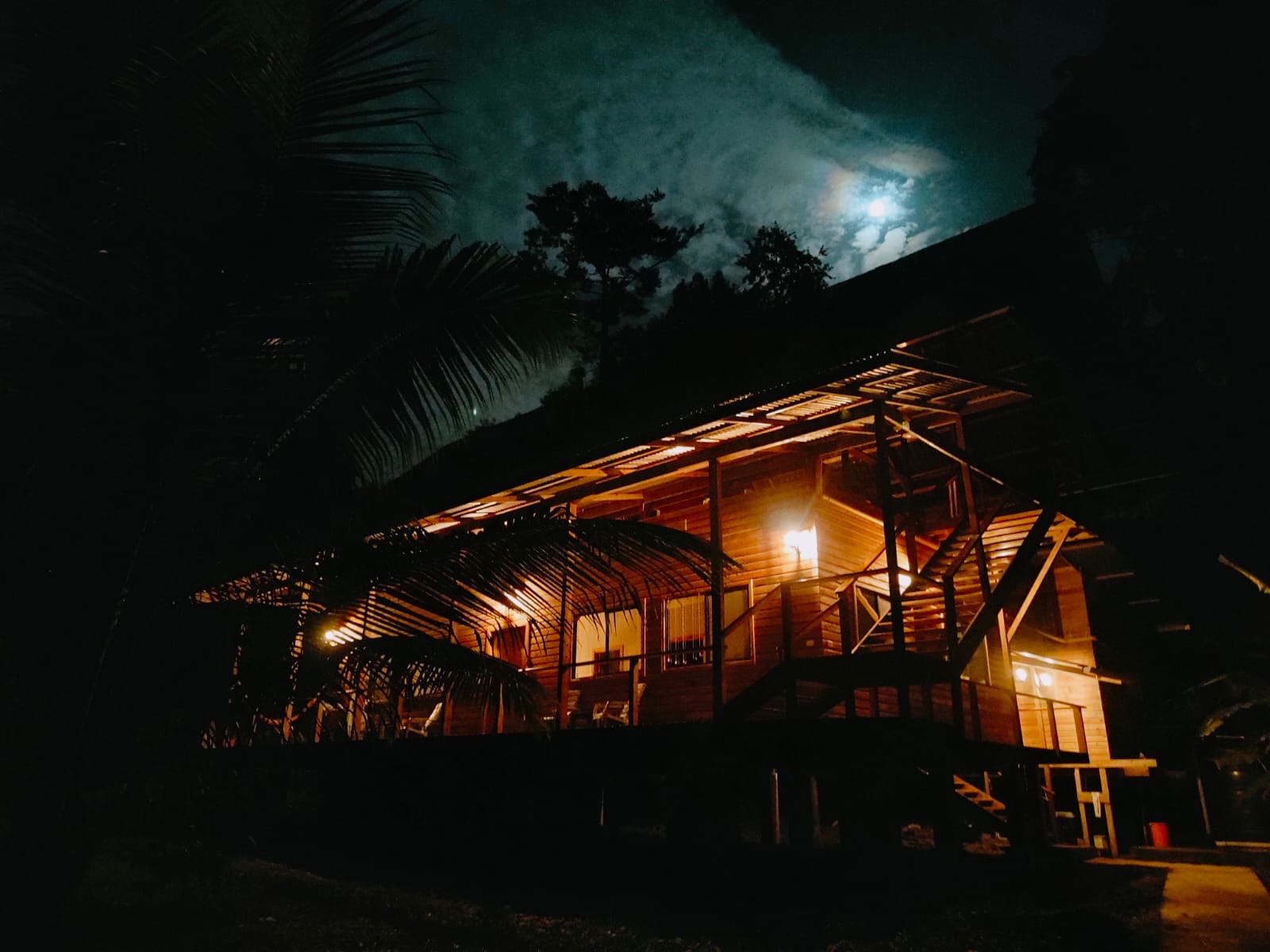
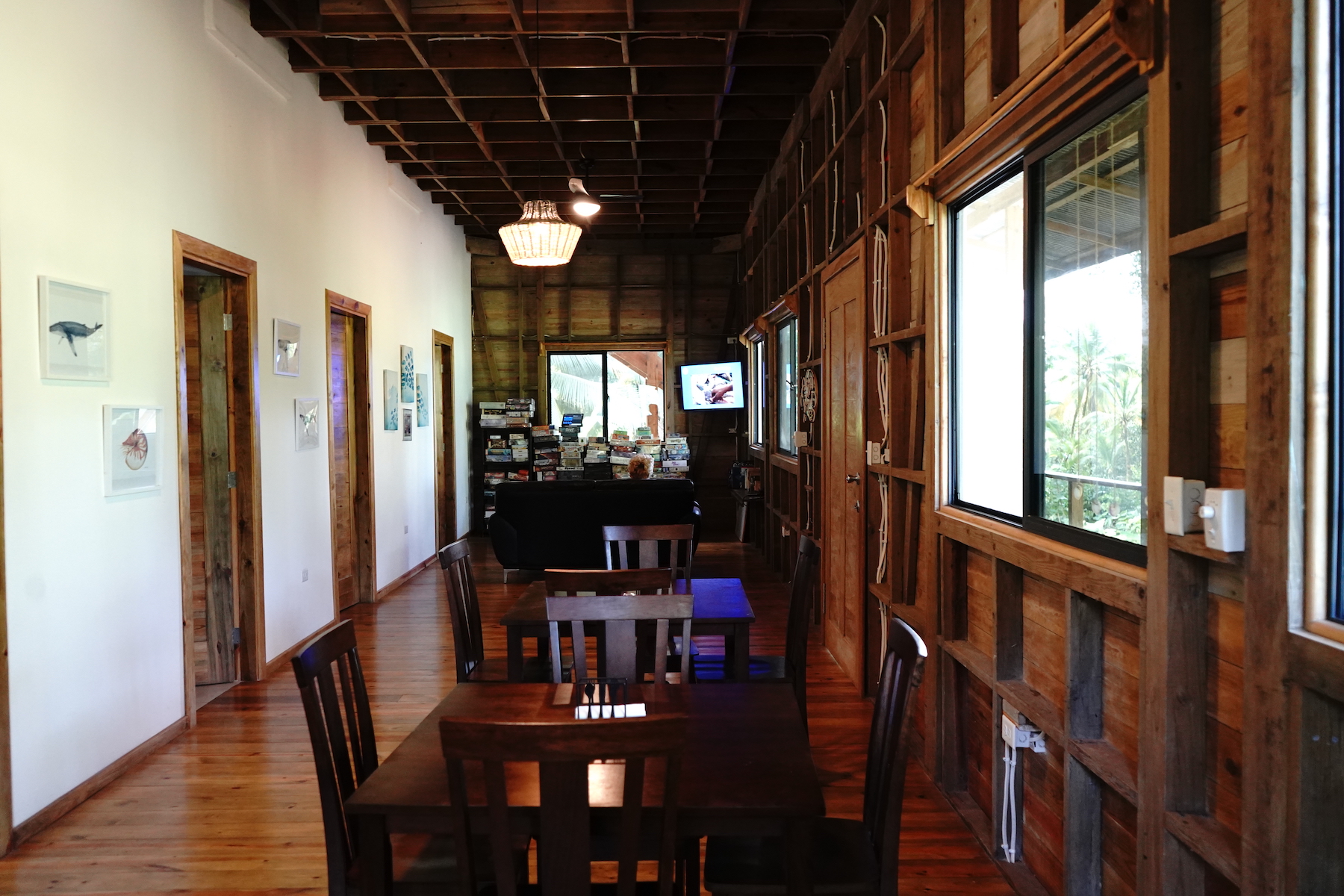
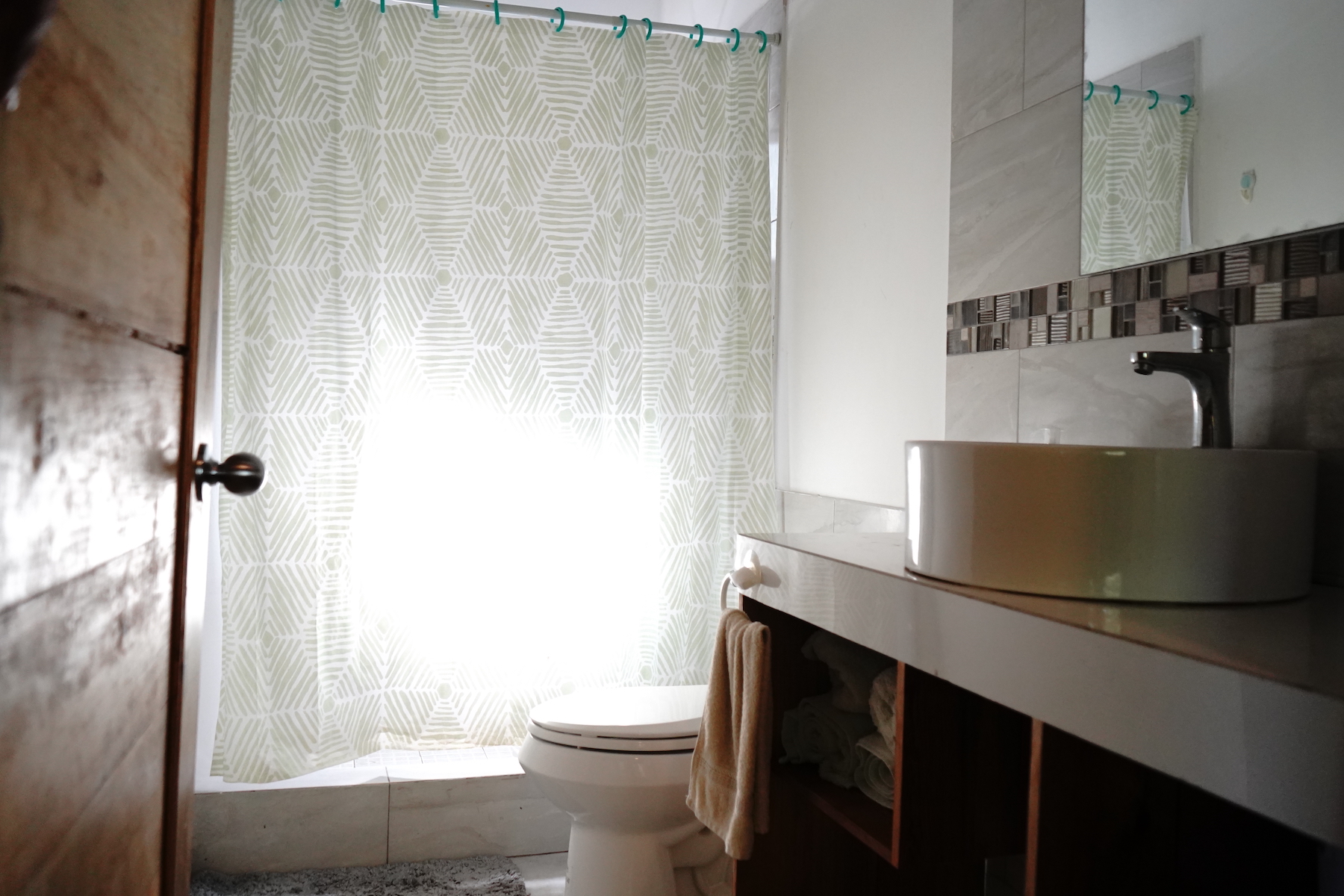
Accommodation

Want to reach out about a project, collaborate, or just say a friendly hello?