Reef Restoration in Panama
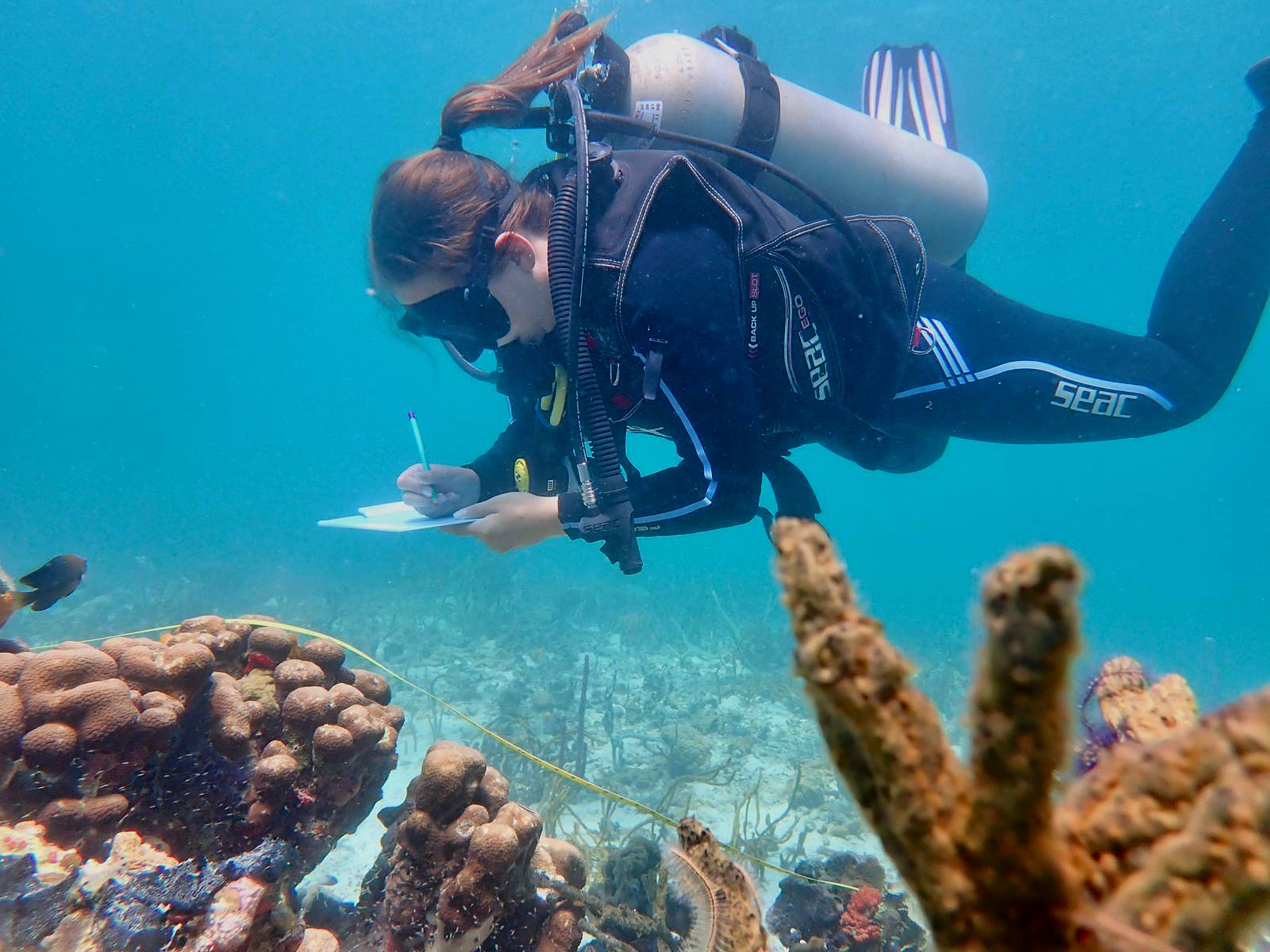
Restoration is where monitoring becomes action. At Ankay, our restoration program builds on the same ecological foundations and data-driven methodology as our Conservation Programs, but moves beyond surveying to active reef intervention. Training combines focused theory with intensive in-water practice, delivered in small groups to ensure accuracy, safety, and ecological integrity.
After the initial training phase, day-to-day work revolves around coral nursery management and structured restoration monitoring. Every action is recorded, evaluated, and fed back into our long-term dataset to guide future restoration decisions.
What's Included
- Accommodation in a shared dorm (or private upgrade)
- Home-cooked meals Monday to Saturday
- Airport pick-up
- Coral Restoration materials & training
- 8-12 dives a week
Highlights
- Develop and perfect your diving skills
- Learn coral gardening and nursery management
- Build and deploy artificial reef structures
- Collect detailed monitoring data to track fragment survival
- Contribute to long-term reef rehabilitation science
What you will learn
Coral Restoration Methods
You will learn how active reef restoration is designed and executed, from coral propagation to outplanting. This includes nursery design and maintenance, fragment handling, species selection, and attachment techniques — all adapted to local reef conditions and ecological constraints.
Restoration Monitoring & Evaluation
You will develop skills to assess restoration outcomes. This includes survival and growth assessments, health indicators, photo-documentation, and understanding how data is used to evaluate effectiveness and guide adaptive management.
Decision-Making in Restoration
You will learn how restoration actions are informed by monitoring data, site suitability, and environmental stressors. Emphasis is placed on understanding limitations, trade-offs, and why some reefs are restored while others are left to recover naturally.
Typical Day
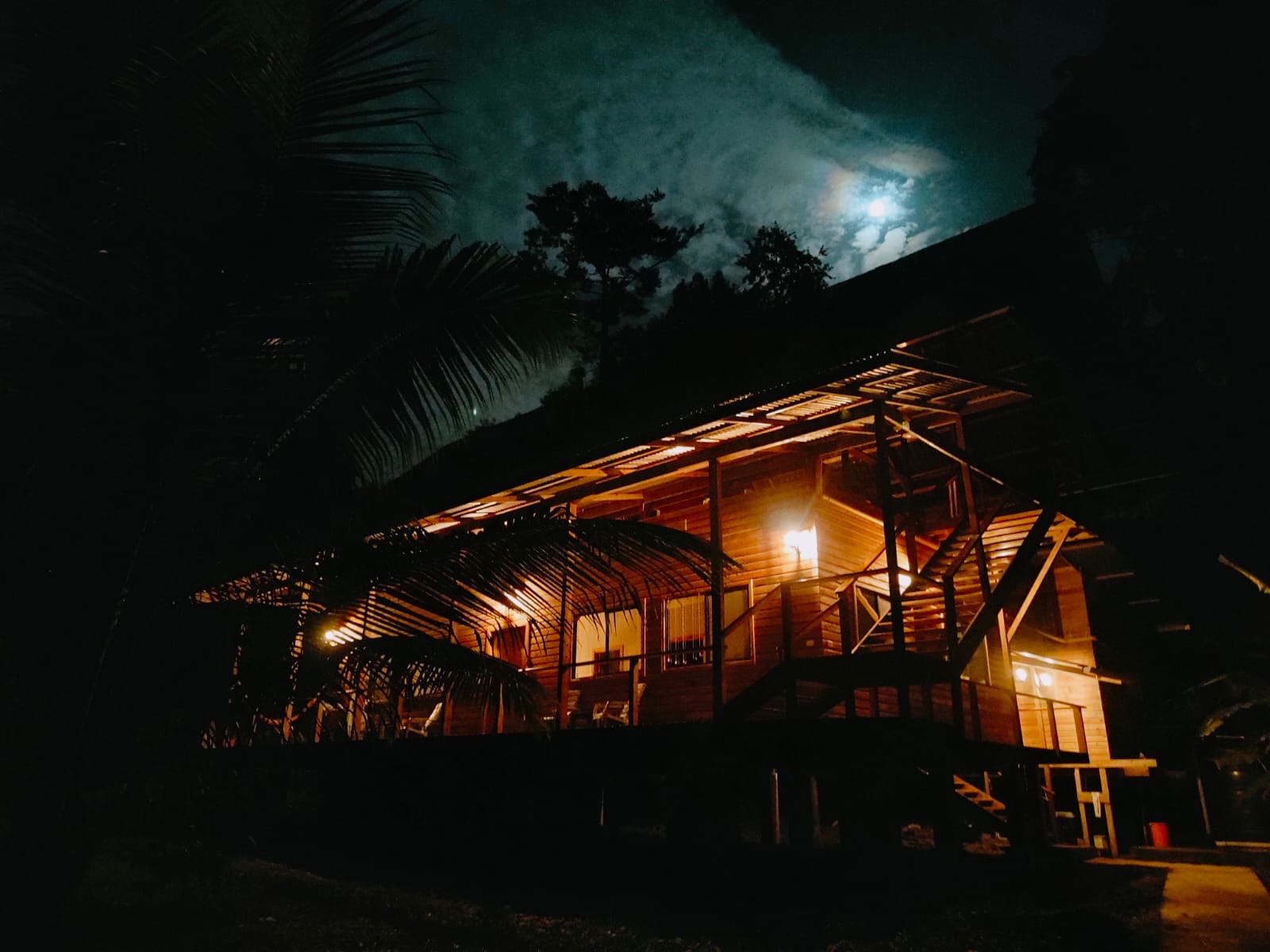
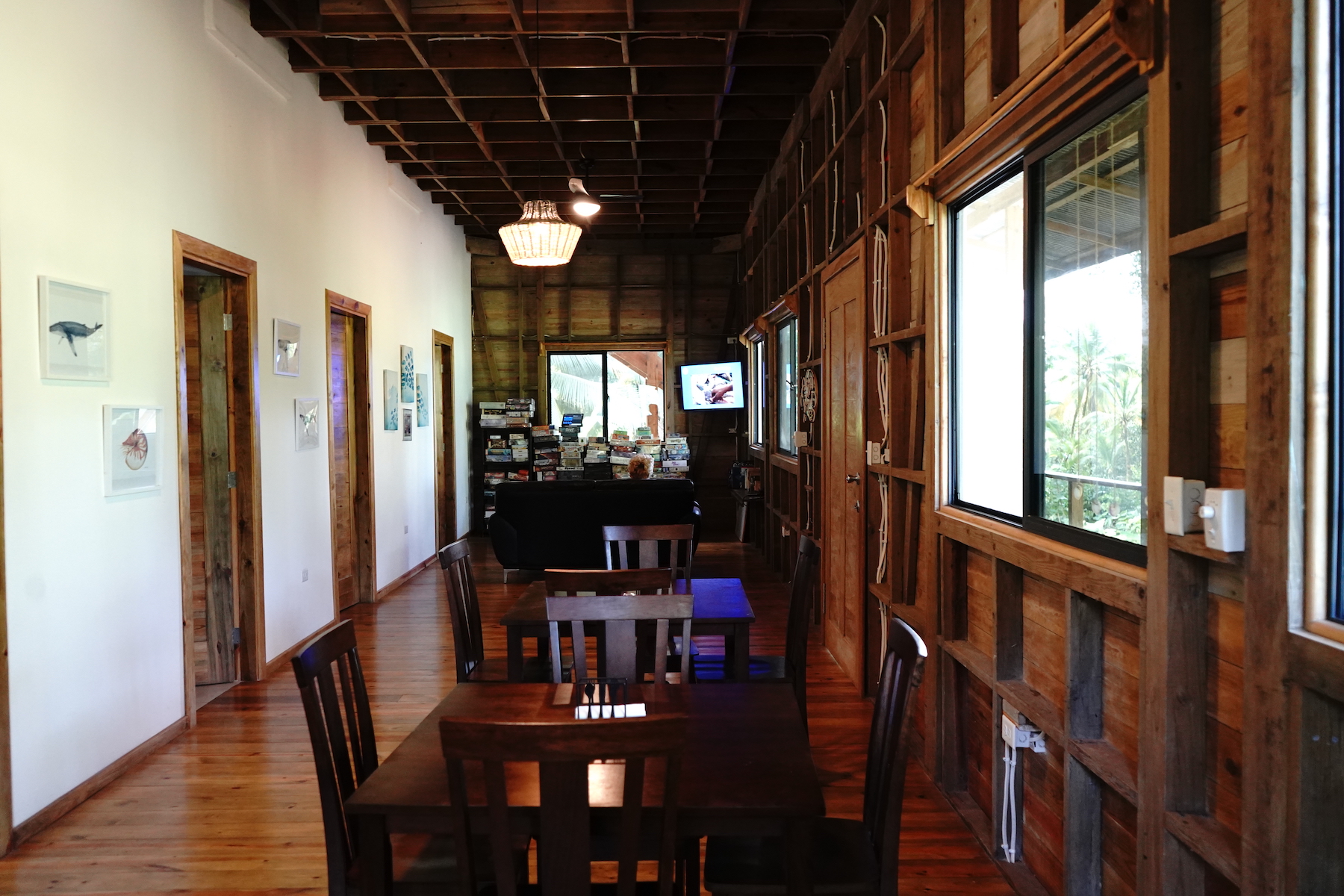
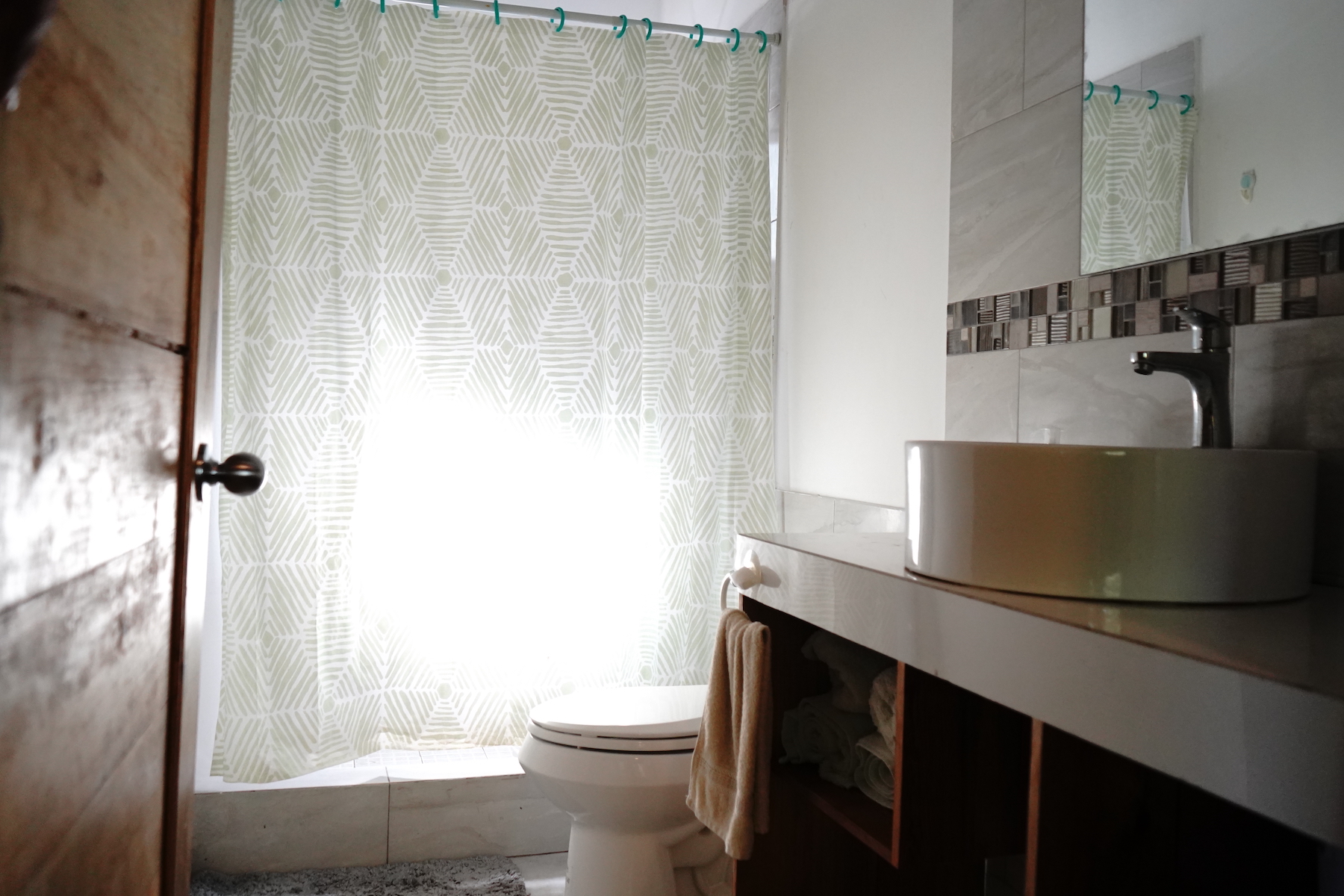
Accommodation


More Info
Day 1 – Arrival & Welcome
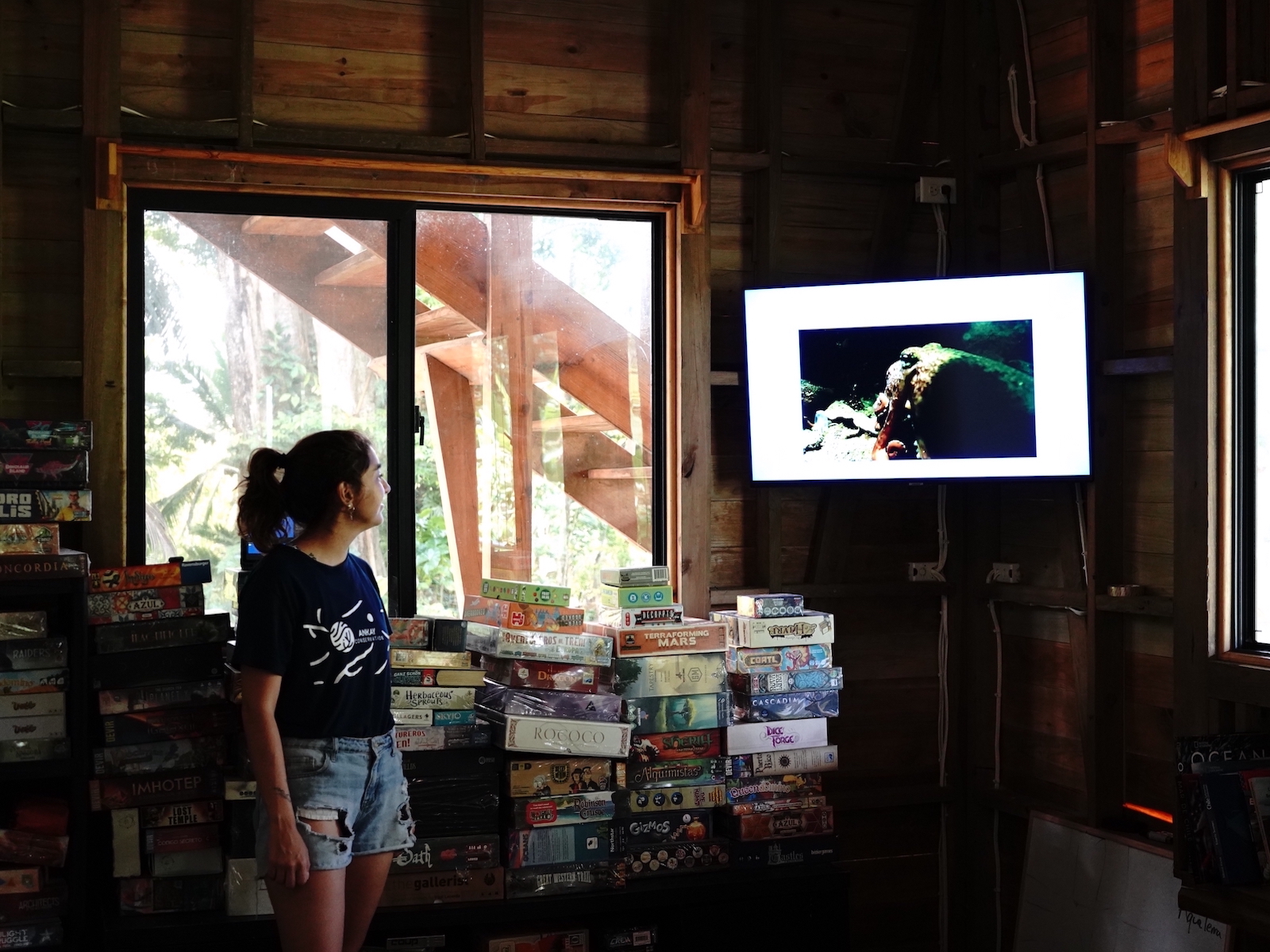
Arrive in Bocas del Toro and settle into our accommodation. After check-in, participants attend a program orientation covering house guidelines and itinerary. The day concludes with dive equipment preparation for the next day.
Day 2 – Restoration Theory & Nursery Introduction
Morning classroom sessions introduce coral reef ecology, threats to reef health, and coral restoration methodologies. Participants learn about coral nurseries, fragmentation techniques, and outplanting protocols. In the afternoon, the group visits our in-water coral nursery site to observe restoration infrastructure. A buoyancy workshop is included as needed to ensure comfort and control underwater.
Day 3 – Dry Workshop: Artificial Structure Construction
Participants take part in a hands-on workshop building artificial reef structures. Training includes materials selection, structure design, and how artificial substrates support coral growth and marine life. By the end of the day, all structures are prepared for underwater deployment.
Day 4 – Artificial Structure Deployment
The group travels by boat to the restoration site to deploy the artificial reef structures. Underwater, participants assist in positioning and securing the structures according to site plans and environmental considerations, learning practical underwater task management and teamwork skills.
Day 5 – Coral Outplanting
After a briefing on coral handling and attachment techniques, participants collect coral fragments from the nursery and transplant them onto the deployed structures. This is the core restoration day, offering direct involvement in rebuilding reef habitat under the guidance of our marine biologists.
Day 6 – Monitoring Dive or Fun Dive
Participants return to the restoration site to observe newly planted corals and learn basic monitoring techniques used to track restoration success. Alternatively, participants may choose a guided fun dive at one of Bocas del Toro’s natural reef sites to experience the ecosystem they are helping protect.
Day 7 – Departure
After breakfast, participants check out for departure.
The minimum stay is one week for certified divers with 20+ registered dives.
For non-certified divers or divers with less registered dives, we recommend a 2 week program so you have enough time to gain experience and contribute.
The program has a daily cost of $180 USD
Participants must have a minimum of 20 logged dives and demonstrate good neutral buoyancy and trim. A buoyancy and skills assessment dive is conducted upon arrival.
Participants who do not meet buoyancy standards may be reassigned to non-invasive tasks or asked to complete additional training before participating in in-water restoration activities.
If not already a diver, a minimum two week stay is required and we will certify you as PADI Open Water adding on training that focus on the skills necessary for restoration action underwater such as proper buoyancy.
The cost of the PADI Open Water is $375 + I.T.M.B (7% tax)
We also teach other PADI courses and specialties which you can enquire about depending the length of your stay.
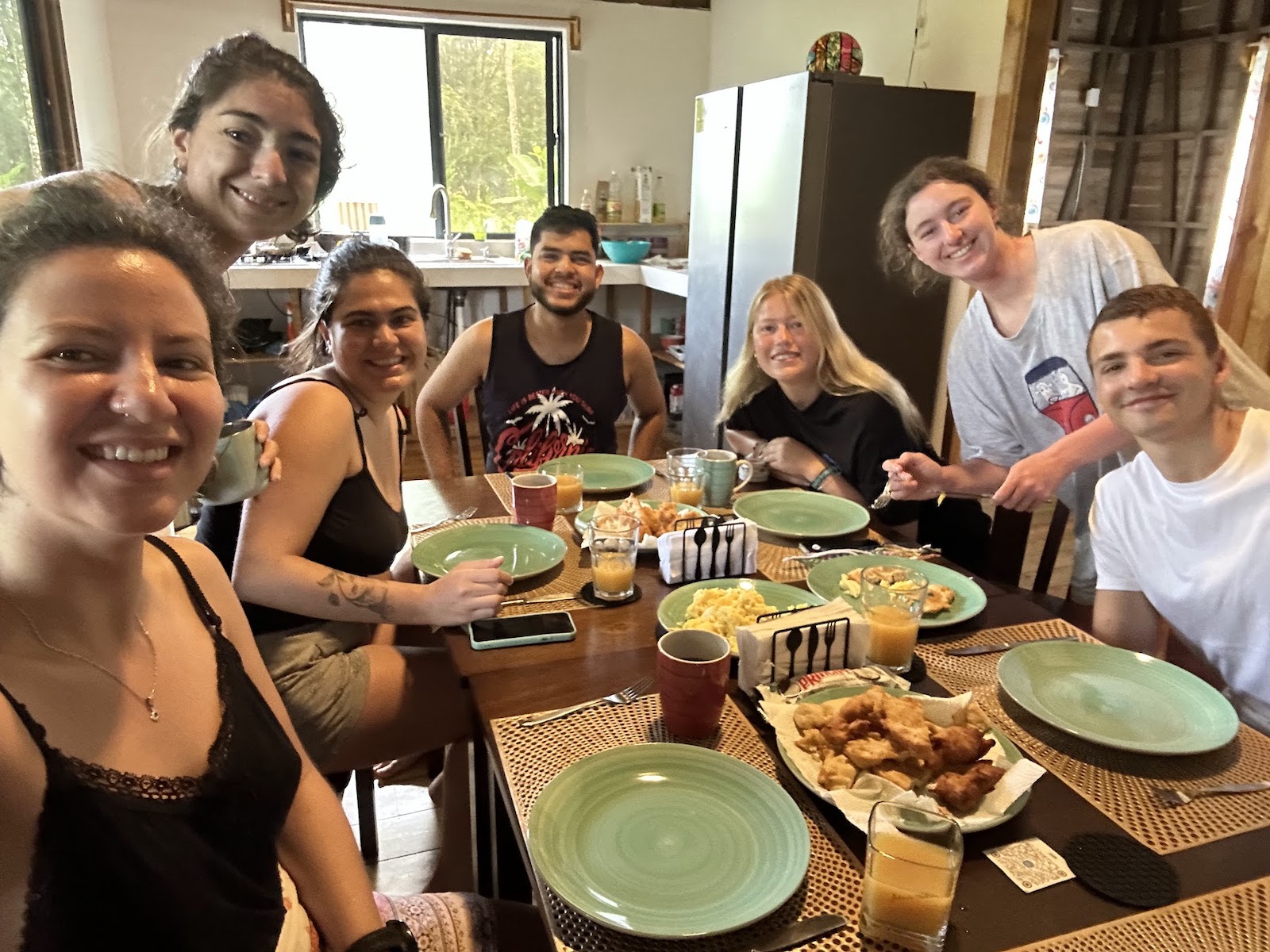
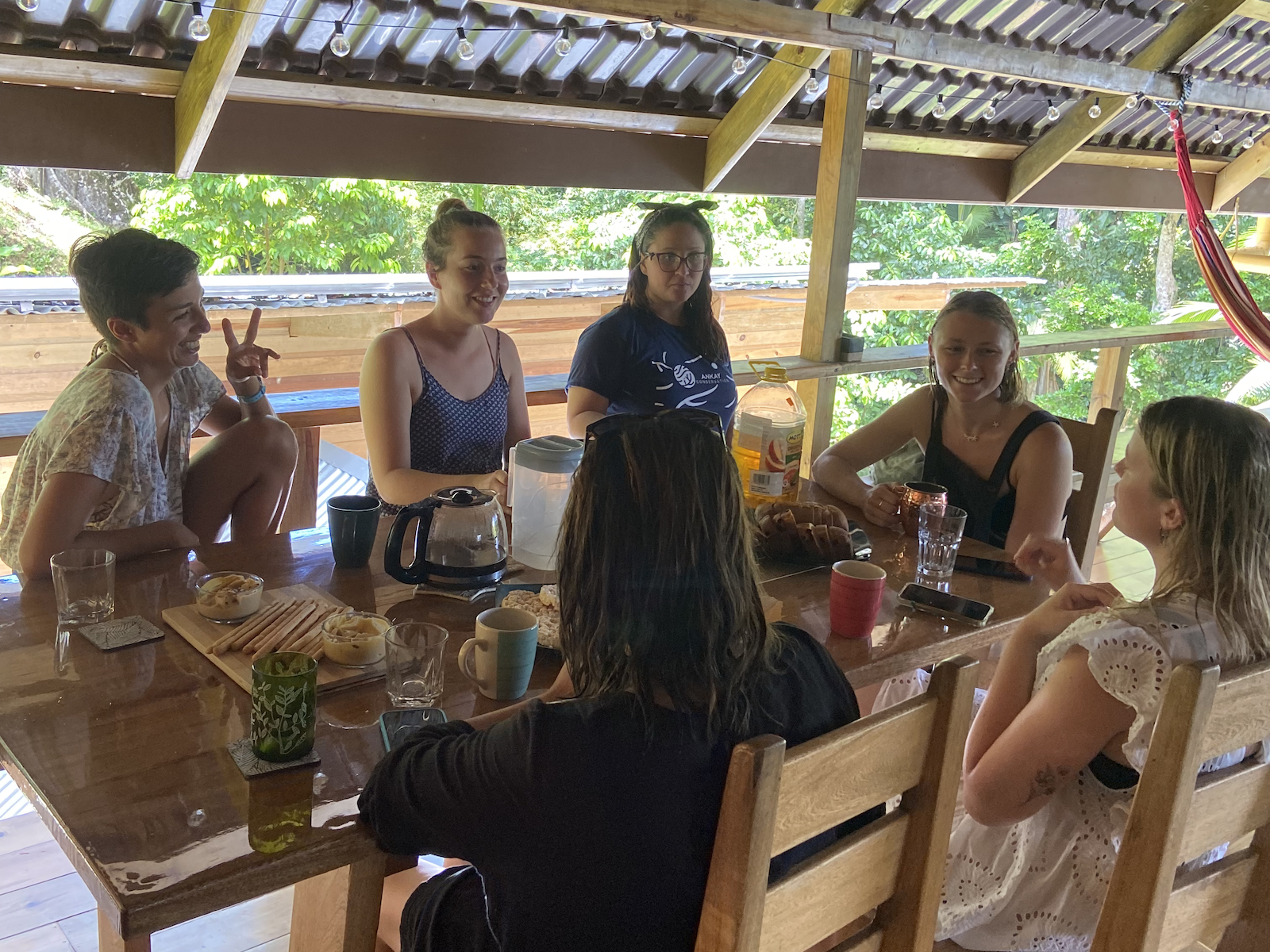
Breakfast, lunch and dinner offered Monday through Saturday.
We can cater to most allergies (please give us notice about any serious allergies prior to arrival). There is a vegetarian menu option. For any more complex dietary regimens, we can offer that you cook for yourself in our kitchen.
Sunday is an off-day for our staff and for yourself where you can prepare your own food in our kitchen or go into town for lunch and or dinner.
Breakfast
We begin our day with a self-served continental breakfast consisting of cereal and milk, bread, cheese, butter, jam, fresh fruits and of course tea and coffee.
Lunch
A typical lunch will have a protein (fish, chicken or a vegetarian option) , rice, beans and salad. We have lunch after we come back from diving.
Dive Snack
We offer granola bars (or similar) and water for the dive surface interval.
Dinner
Dinner is served around 7pm and everyone eats together. Participation isn’t mandatory, and if you wish to go out and try something else for a change you’re welcome to do so. Our cook prepares and serves a variety of local specialties.